
Article: 9ct vs 18ct Gold
9ct vs 18ct Gold
What You Really Need to Know Before Choosing Your Jewellery

When choosing fine jewellery, especially an engagement ring or wedding ring, the question of 9ct versus 18ct gold comes up time and time again. Many people have been told that 9ct gold is harder and therefore more durable than 18ct gold. While this belief is widespread, it does not reflect how gold alloys behave in real-world wear.
Understanding the difference between these two gold types allows you to make a better long-term decision, not just a purchase based on price or hearsay.
What the Carat Rating Actually Means


The carat rating of gold refers to the percentage of pure gold in the alloy.
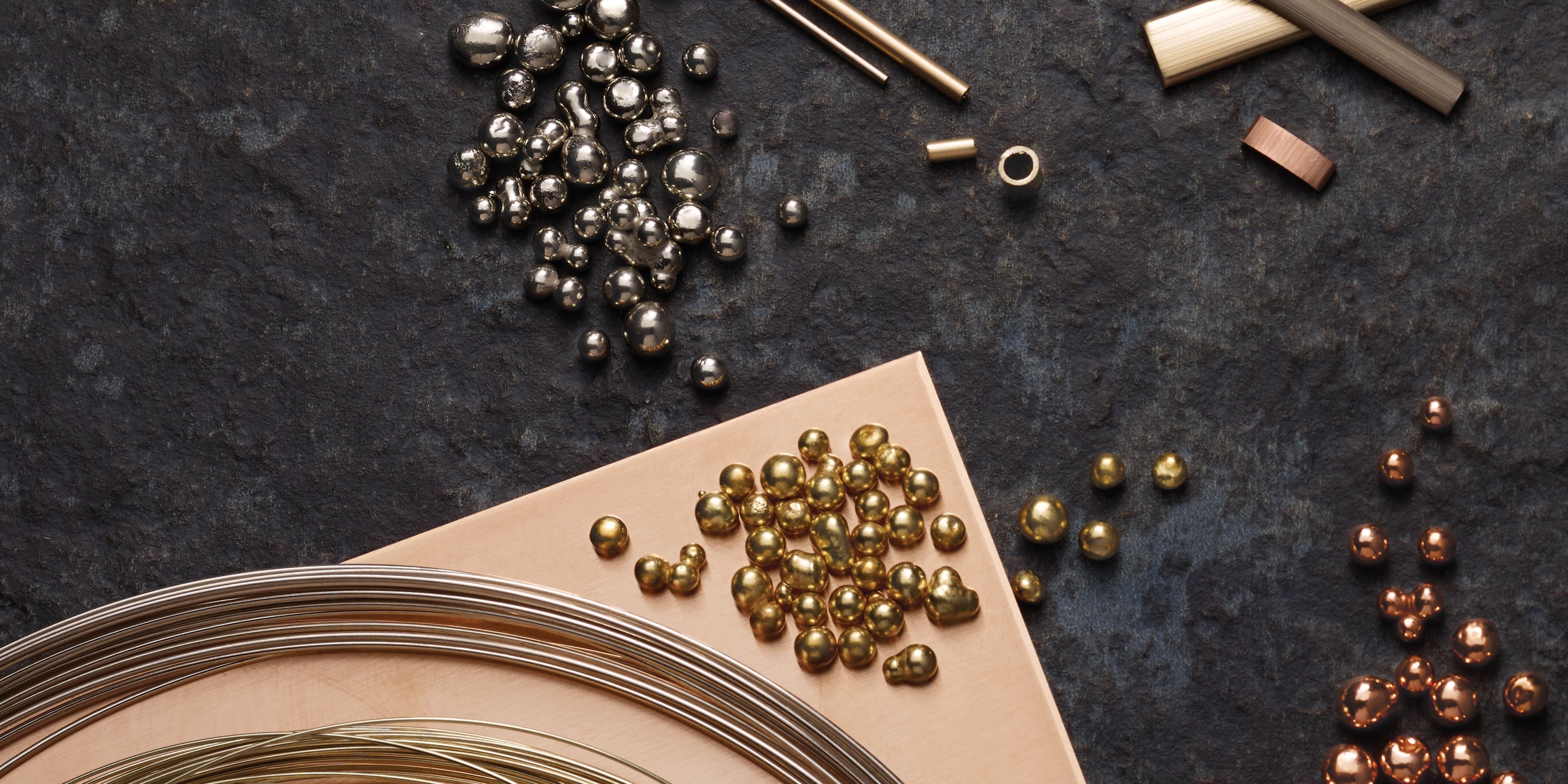
9ct gold contains 37.5 percent pure gold (stamped 375), while 18ct gold contains 75 percent pure gold (stamped 750). The remaining content is made up of other metals such as silver, copper, zinc, palladium, or platinum. These metals are added to improve strength and usability, as pure gold on its own is too soft for most jewellery.
It is easy to assume that the more alloy metals added, the stronger the final product becomes. In reality, the relationship between alloy content and performance is far more complex.
Hardness Is Not the Same as Durability
Hardness is a technical measure of how resistant a metal is to surface scratching or indentation. It is commonly measured using the Vickers hardness test, which presses a diamond into the metal under controlled force. While hardness can vary depending on alloy composition and heat treatment, many well-formulated 18ct gold alloys can achieve higher hardness values than 9ct gold.
However, hardness alone does not determine how jewellery performs over time. Durability refers to how well a metal withstands everyday wear, impact, and stress without cracking or failing. A material can be hard yet brittle, while another may be slightly softer but far more resilient.
In jewellery, resilience matters more than raw hardness.
How 9ct and 18ct Gold Wear Over Time

In practical terms, 9ct gold alloys tend to be more brittle due to their higher proportion of non-gold metals. Over years of wear, this brittleness can lead to cracking, chipping, or structural failure, particularly in high-stress areas such as claws, settings, and fine bands.
18ct gold alloys are more resilient. They absorb knocks and pressure better and are less likely to fracture. When stress does occur, the metal is more likely to bend slightly rather than break, allowing issues to be corrected during routine servicing rather than requiring major repairs.
This difference becomes especially important for engagement rings and wedding rings, which are worn every day and expected to last a lifetime.
The Importance of Density in Fine Jewellery
Another factor often overlooked is density. 18ct gold is significantly denser than 9ct gold, meaning there is more metal present in the same volume. This higher density contributes to better wear characteristics, including slower thinning of bands and stronger retention of shape over time.
From a long-term perspective, density plays a major role in why higher-carat gold jewellery tends to age better. This is also why many antique and heirloom pieces were traditionally made in higher gold alloys. They were designed with longevity in mind.
Our Perspective as Jewellers
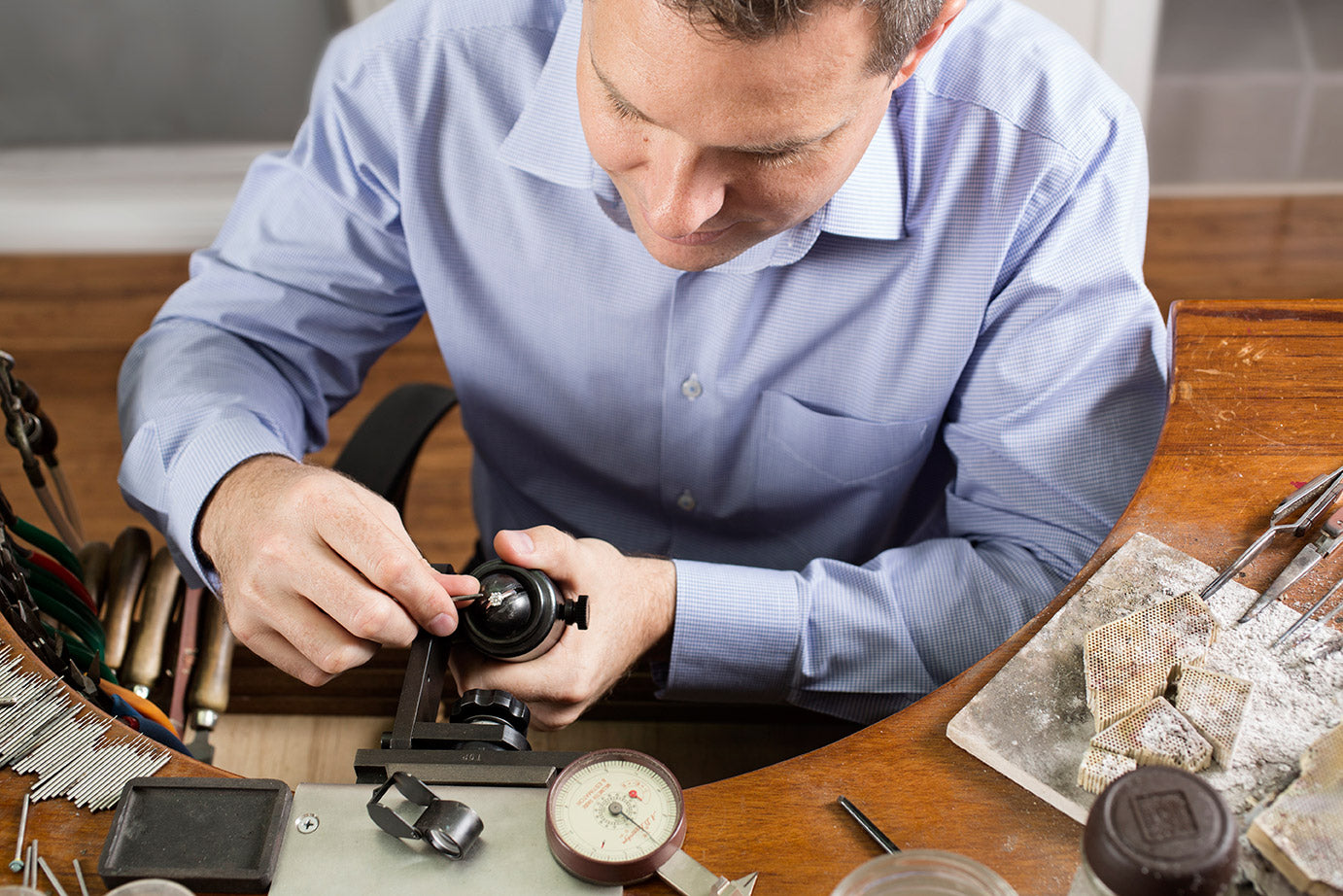
At Bartlett Master Jewellers, we see jewellery not only when it is newly made, but decades later when it returns for resizing, restoration, or repair. This long-term exposure provides a clear understanding of how different materials perform in real life.
For engagement rings, wedding rings, and bespoke jewellery intended for everyday wear, 18ct gold consistently proves to be the superior option. It wears more evenly, holds gemstones more securely, and maintains its integrity over time.
9ct gold has its place and can be suitable for certain designs or budget considerations, but it should not be chosen under the assumption that it is stronger or more durable.
Choosing the Right Gold for Your Jewellery

Selecting the right gold alloy is about more than appearance or initial cost. It is about how your jewellery will perform over years of wear and how well it will age.
If you are unsure which option best suits your lifestyle, design, or expectations, we encourage you to speak with us. Clear advice at the beginning often makes all the difference in creating a piece you will enjoy for decades to come.