
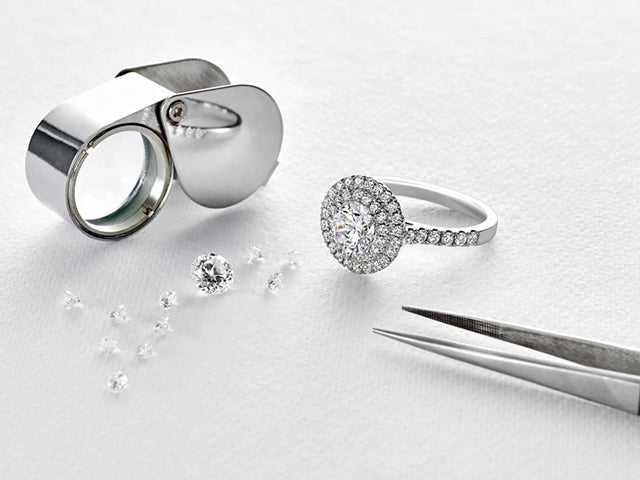


How We Select a Diamond
Buying a diamond should feel reassuring, not confusing.
Yet many people are faced with long lists of specifications, certificates, and online databases that do little to explain why one diamond looks beautiful and another does not.
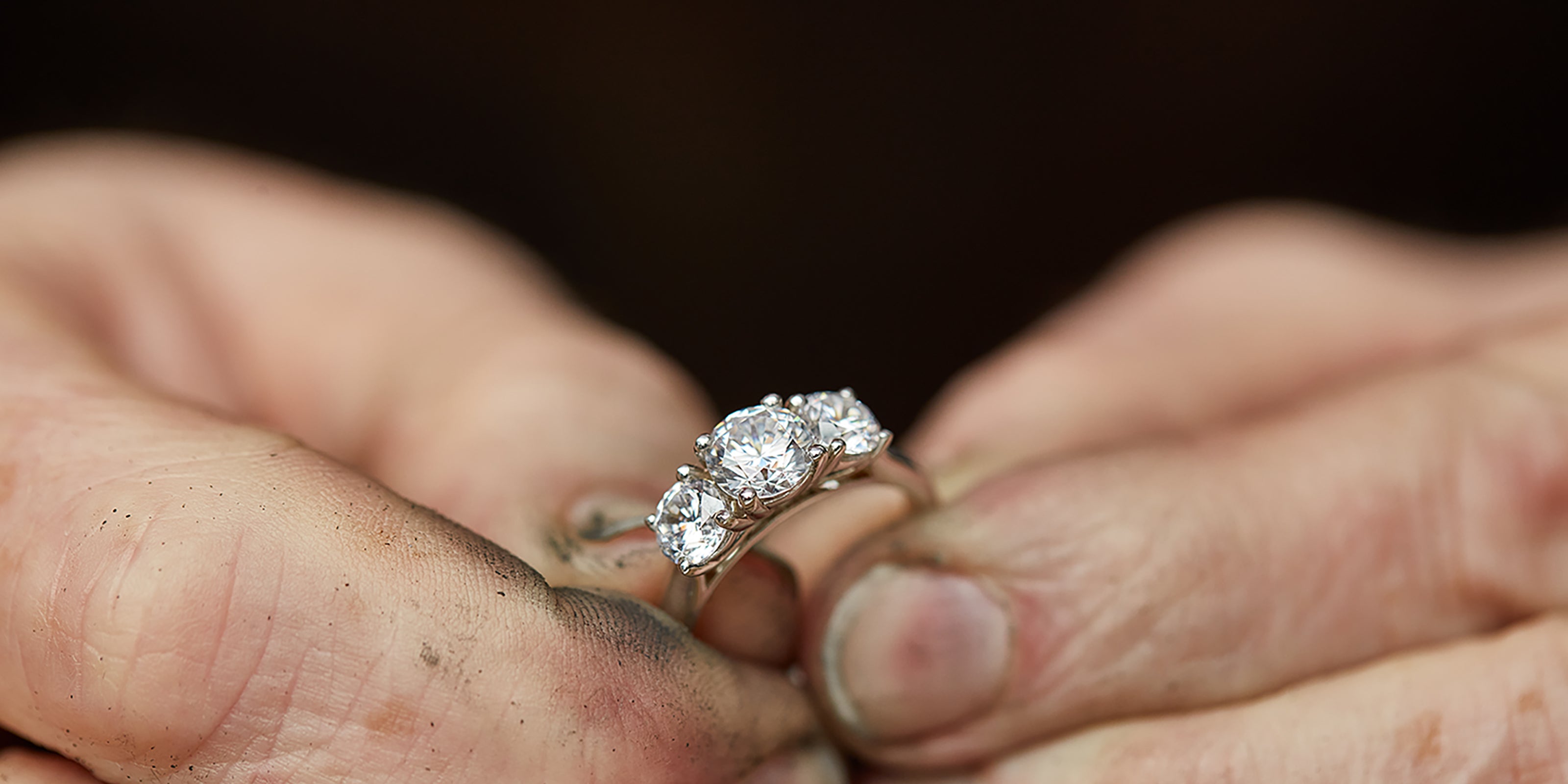
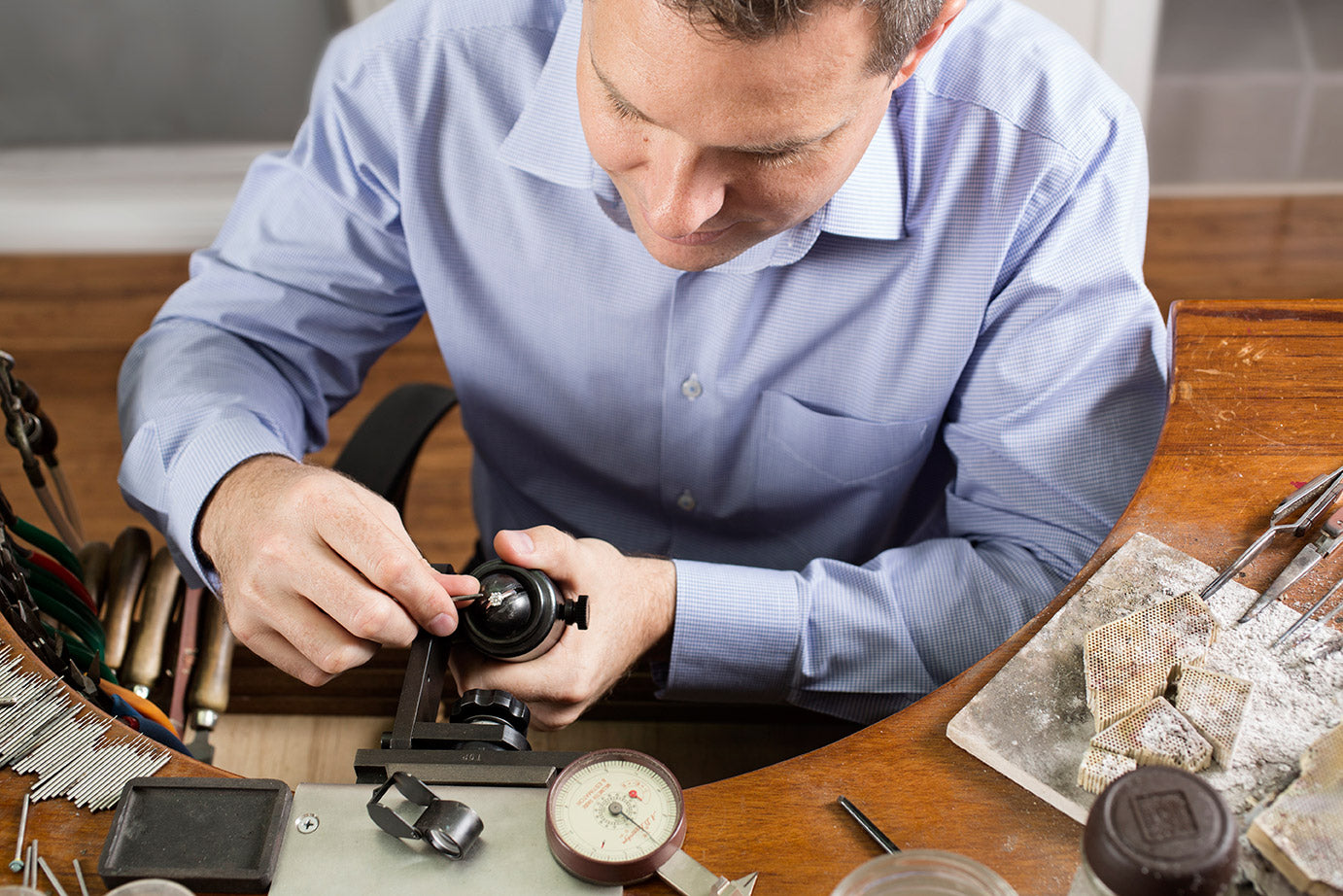
At Bartlett Master Jewellers, we select diamonds through careful inspection, experience, and a clear understanding of how a diamond performs in everyday wear. While grading reports and technical details matter, they are only part of the story.
This guide explains how we select diamonds for our clients and why that process leads to better, more confident choices.

The Role of the 4Cs
The 4Cs - cut, colour, clarity, and carat - provide a useful framework for describing a diamond’s characteristics. They help identify size, colour range, and clarity levels, and they allow for basic comparison between stones.
However, the 4Cs do not define beauty. Two diamonds with identical grades can look noticeably different when viewed side by side. Small variations in proportion, finish, and transparency can dramatically change how a diamond appears once it is set and worn.
For this reason, we treat the 4Cs as a starting point rather than a final decision.
Cut Quality and Light Performance
Cut quality has the greatest influence on how a diamond looks. It determines how light enters, moves through, and returns from the stone.
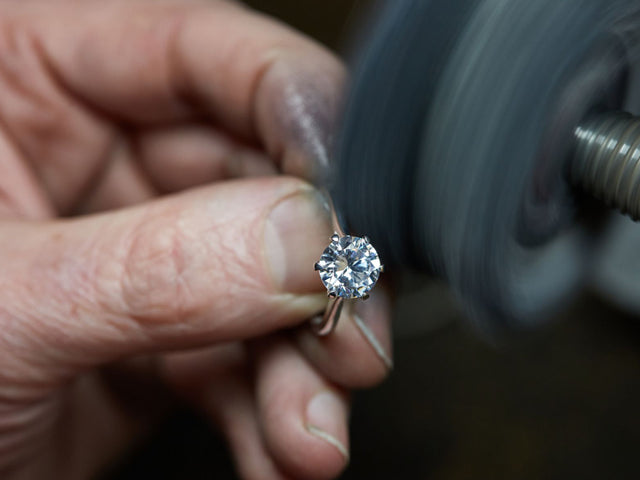
When assessing cut, we look beyond a laboratory grade and examine how the diamond performs visually. Proportions, symmetry, and polish must work together to produce brightness, fire, and contrast across the entire stone.
A diamond may carry an “Excellent” cut grade on a certificate, but if it does not show consistent sparkle and life in real light, it does not meet our standards. Visual performance always comes first.
Clarity, Inclusions, and Long-Term Wear
Most diamonds contain inclusions, and this is completely natural. What matters is not simply the clarity grade, but the nature of those inclusions.
We carefully assess where inclusions are positioned and whether they may affect durability or appearance over time. Inclusions near edges or corners can pose a risk to structural strength, while others may become visible once a diamond is set.
Our aim is to select diamonds that appear clean to the eye and remain suitable for long-term, everyday wear. This requires close inspection rather than reliance on clarity grades alone.
Colour, Transparency, and Overall Appearance
Colour grading measures how colourless a diamond appears, but it does not always reflect how the stone looks in natural conditions.
We assess whether a diamond shows a true, balanced colour or whether subtle undertones such as brown, grey, or green are present. Transparency is equally important. A diamond should appear bright and crisp, not hazy or dull.
We also consider fluorescence and how it affects the diamond’s appearance in different lighting environments. Any factor that compromises clarity or brightness is carefully weighed before a diamond is selected.

Certification and Independent Grading
We work with respected laboratories such as the Gemological Institute of America (GIA) to ensure consistent and independent grading.
Certificates provide valuable technical information and confirm a diamond’s identity and specifications. They offer transparency and peace of mind.
However, a certificate does not replace hands-on assessment. Every diamond we offer is viewed and evaluated in person to ensure it meets our expectations for beauty, balance, and quality.

Why Our Selection Process Matters
We complete the detailed evaluation before presenting diamonds to our clients. This removes unnecessary complexity and ensures every option shown has already met our standards.
Rather than sorting through large databases or comparing stones that vary widely in quality, clients are guided through a considered selection of diamonds chosen for their visual appeal, strength, and value.
This approach allows decisions to be made with confidence and clarity.
Final Thoughts
A diamond should be chosen with care, knowledge, and trust.
At Bartlett Master Jewellers, we combine formal gemmological training with decades of practical experience to select diamonds that perform beautifully and stand the test of time.
If you are considering an engagement ring or a significant jewellery piece, we invite you to view diamonds properly, ask questions openly, and take the time to choose a stone that feels right.
That is how a diamond should be selected.